
.webp)


As a new species in the field of multimodal robotics, dual-wheel-legged robots have attracted the attention of numerous research institutes and enterprises for over a decade due to their novel configurations. In particular, recent years have seen significant advancements in computer vision, reinforcement learning, and motion control, which have largely expanded the performance boundaries of these robots. Consequently, a growing number of companies have joined the exploration of this emerging robotics category.
From January 9th to 12th, 2024, the world's premier consumer electronics show, CES 2024, grandly kicked off in Las Vegas, USA. Often hailed as the annual "tech gala" of the consumer electronics sector, CES 2024 was undeniably dominated by AI and robotics. At the exhibition, diverse bipedal and wheeled robots stole the spotlight, becoming the absolute focal point for both the media and industry professionals.
“
LG Dual-Wheel-Legged Smart Home Robot:AI Agent
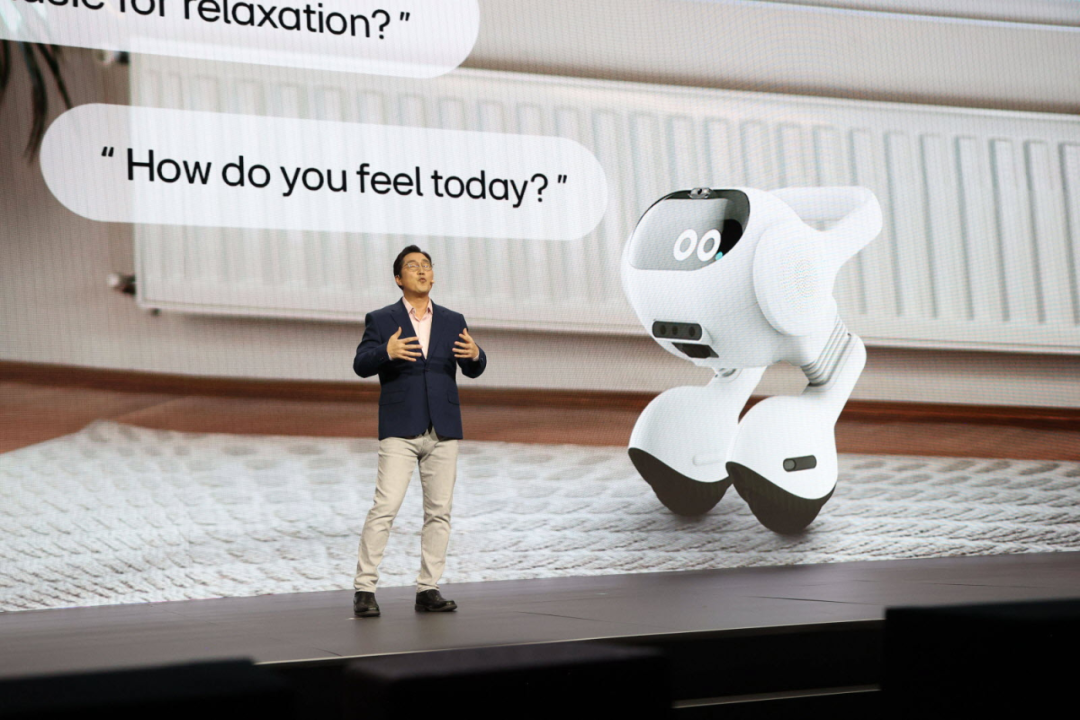
At its CES 2024 press conference, LG Electronics unveiled its latest dual-wheel-legged smart home robot, the AI Agent—a companion bot designed to assist with household chores. Equipped with a built-in camera, speaker, and various sensors, the AI Agent can communicate with users via voice, monitor indoor temperature, humidity, and air quality, and seamlessly interact with smart appliances and IoT devices.
Featuring a dual-wheel-legged design, the AI Agent fully leverages its ability to navigate the home freely, nimbly, and efficiently. During voice interactions, the robot can even express emotions through the movements of its articulated leg joints. Furthermore, powered by AI and multimodal technologies, the robot is capable of learning, comprehending, and engaging in complex conversations, delivering a smarter and more intuitive experience.
“
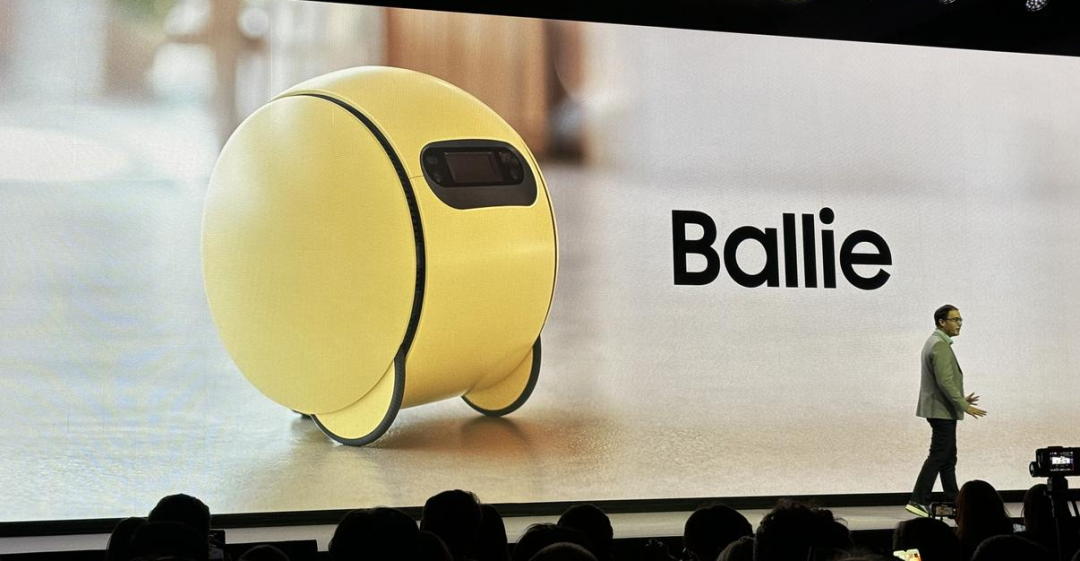
Samsung's Dual-Wheeled AI Home Companion Robot: Ballie
At its CES 2024 press conference, Samsung Group also unveiled the latest version of the Ballie robot, positioning it as an AI home companion robot.
Featuring a completely redesigned dual-wheeled drive system, the new Ballie can freely follow users as they move around the house. Equipped with an onboard projector and advanced AI capabilities, it is designed to help users embrace a smarter lifestyle. Additionally, Ballie can connect to and manage household appliances to assist users in various scenarios. By continuously learning user patterns and habits, it delivers increasingly intelligent and personalized services.
“
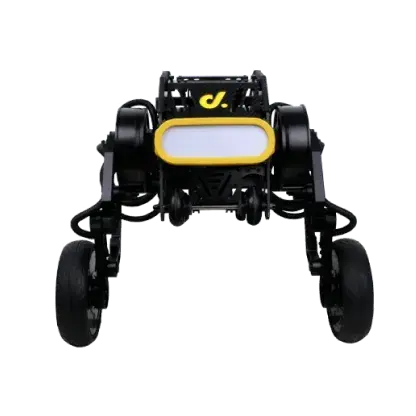
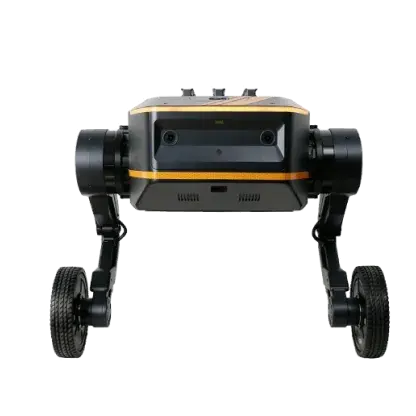
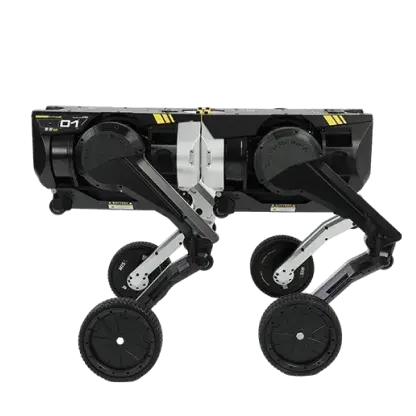
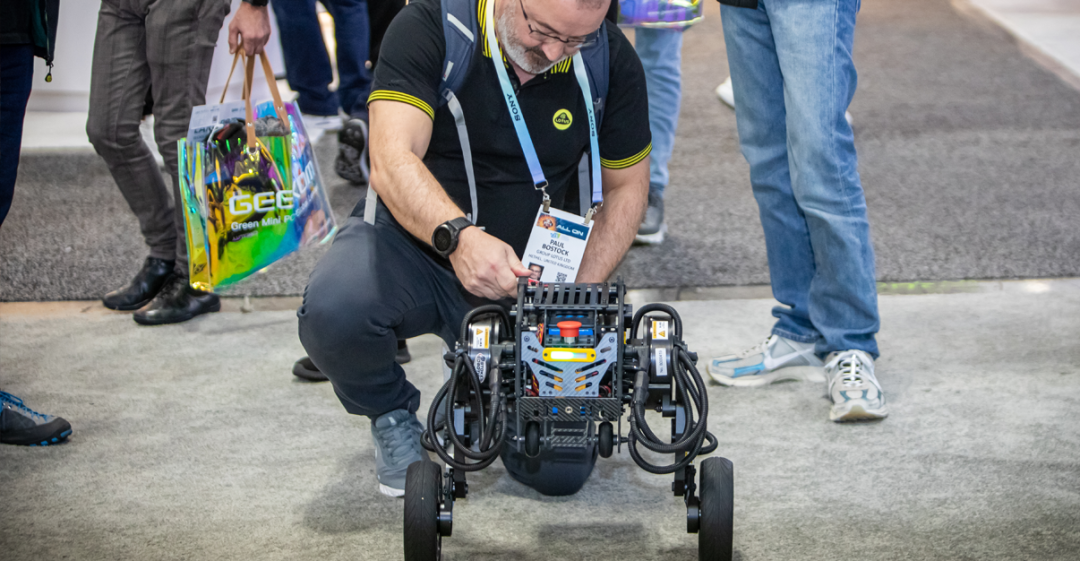
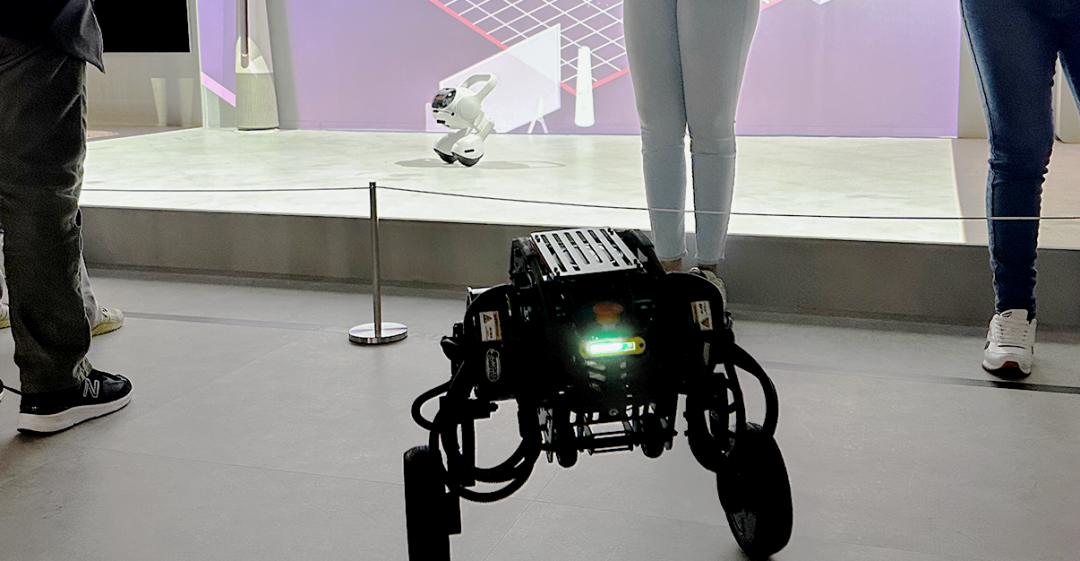
Direct Drive Tech's Direct-Drive Dual-Wheel-Legged Robot:Diablo、TITA
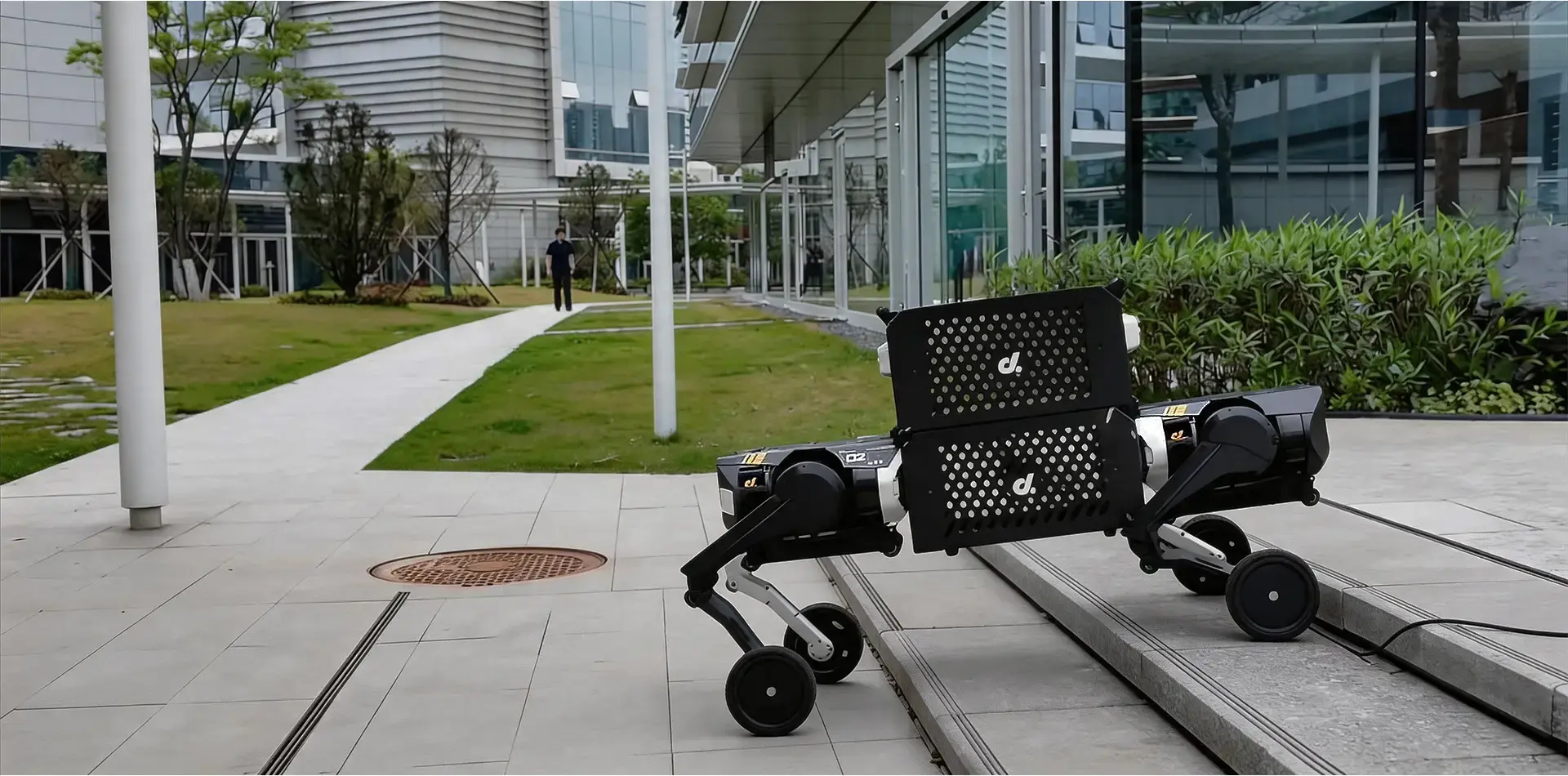
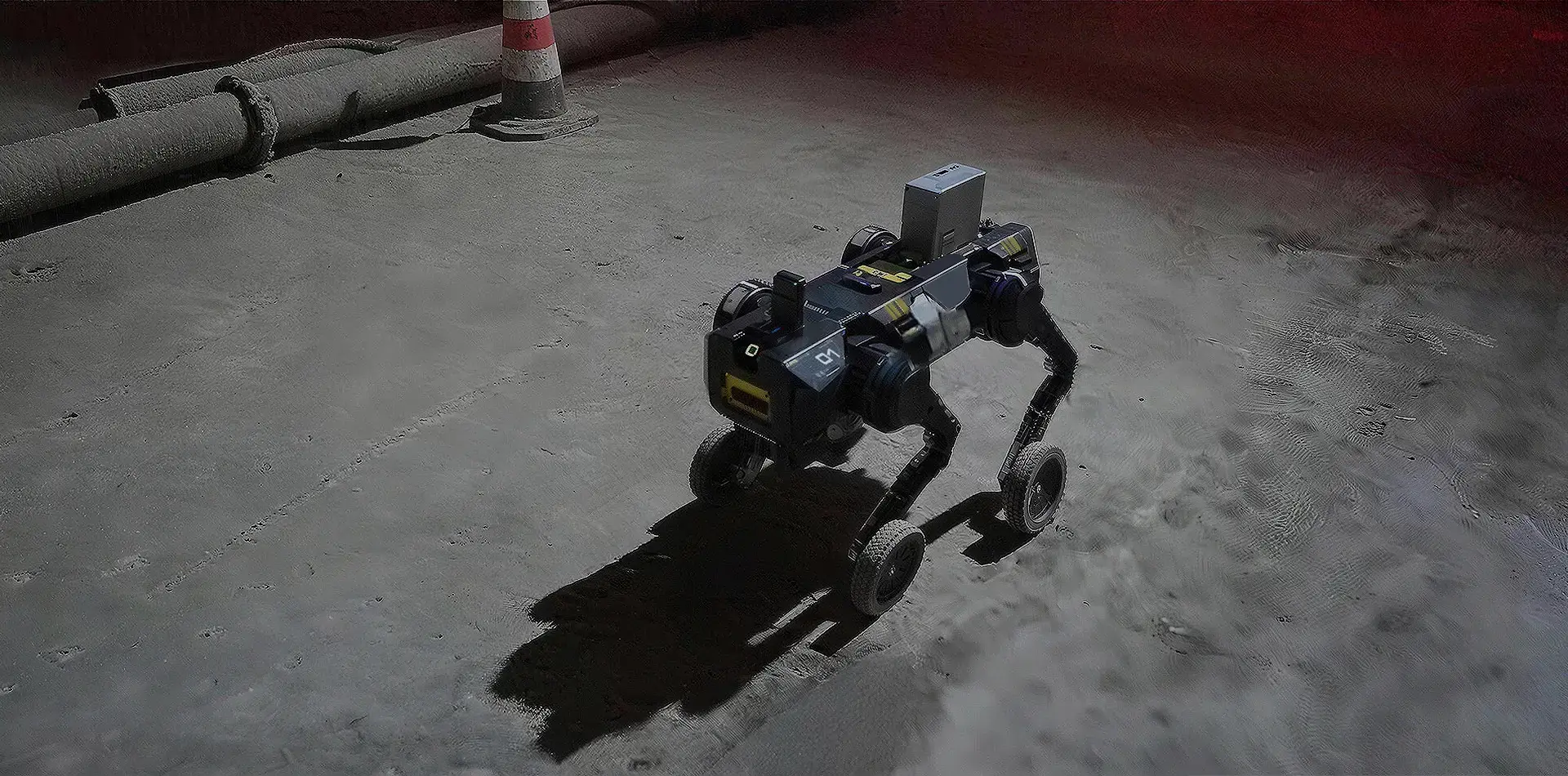
At CES 2024, Direct Drive Tech, a global leader in wheel-legged robotics, also showcased two of its direct-drive dual-wheel-legged robots: Xingtian and TITA. Featuring a 6-to-8 degrees-of-freedom (DOF) design, these robots demonstrated exceptional obstacle-crossing capabilities, agility, and high efficiency right on the exhibition floor.
Furthermore, Direct Drive Tech maintains a distinct lead over its international peers in terms of system openness and cost-effectiveness. The company is currently actively exploring diverse possibilities across both commercial and industrial sectors.

From labs and factories to homes
Globally, frontier research in the wheel-legged robotics sector began over a decade ago. Early innovators were primarily based in major laboratories and research institutes worldwide, such as ANYbotics (Switzerland), the GRASP Lab, and ETH Zurich. However, achieving commercial viability has always been a core focus for both researchers and enterprises.
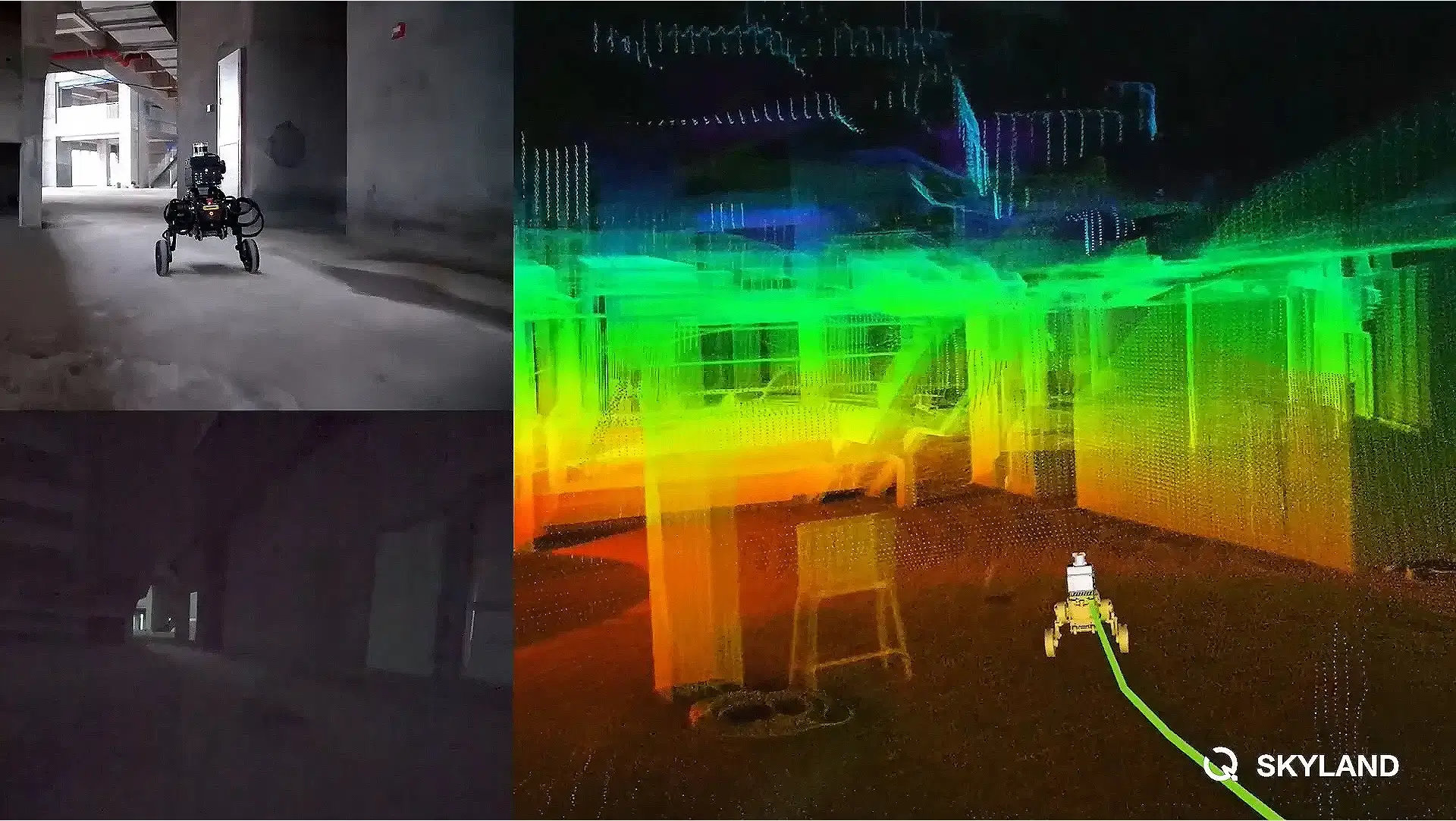
In recent years, domestic research in China has also made significant strides. Driven by continuous investments in university-industry collaborations and R&D funding, domestic enterprises are achieving rapid, latecomer advantages. Coupled with China's robust supply chain, the industrialization of wheel-legged robots is accelerating beyond the confines of laboratories. As an industry leader, Direct Drive Tech has showcased real-world applications of wheel-legged robots in monitoring and inspection at the exhibition. Compared to purely legged robots, they offer greater flexibility and higher efficiency; compared to purely wheeled robots, they boast superior obstacle-crossing capabilities. By integrating both wheeled and legged locomotion, this relatively new development in robotics opens up vast market potential for wheel-legged robots in industrial-grade scenarios.
At CES 2024, the dual-wheeled and bipedal home robots launched by LG and Samsung also expanded the market imagination for wheel-legged robots in domestic settings. By integrating functional modules and AI with household appliances, these robots are paving the way for smarter living.
After more than a decade of development, wheel-legged robots are forging a rapid path toward productization and practical application value. From global research laboratories to industrial applications by companies like Direct Drive Tech, and now to home environments by brands like LG and Samsung, this trajectory is becoming increasingly clear.
.webp)


.jpg)